Introduction to Ethical Jewelry
In recent years, the fine jewelry industry has experienced a paradigm shift towards ethical practices, driven by a growing consumer demand for transparency, sustainability, and social responsibility. As awareness of the environmental and social impacts of traditional jewelry production increases, the concept of ethical jewelry is emerging as a beacon of change. This article delves into the world of ethical jewelry, exploring how sustainable luxury is being redefined for the modern consumer.
The Rise of Conscious Consumerism
Today’s consumers are more informed and conscientious than ever before. The rise of conscious consumerism has led individuals to scrutinize the origins of the products they purchase, including fine jewelry. This shift in consumer mentality is compelling brands to adopt more sustainable and ethical practices. Consumers seek assurance that their purchases do not contribute to environmental degradation, human rights abuses, or unethical labor practices. As a result, ethical jewelry has become a crucial element in the luxury market, offering a guilt-free indulgence for those who value both beauty and responsibility.
Defining Ethical Jewelry
Ethical jewelry encompasses a range of practices and principles aimed at ensuring that every stage of the jewelry-making process is conducted with integrity. This includes responsible sourcing of raw materials, fair labor practices, environmental conservation, and transparency in the supply chain. Ethical jewelers prioritize traceability, ensuring that their materials are sourced from mines and suppliers that adhere to strict ethical and environmental standards.
Responsible Sourcing of Materials
At the heart of ethical jewelry lies the responsible sourcing of materials. This involves selecting gemstones, diamonds, and metals that are mined and processed in ways that minimize negative impacts on the environment and local communities. Conflict-free diamonds, for instance, are sourced from regions free from armed conflict and human rights abuses, offering consumers peace of mind that their purchases are not funding violence or exploitation.
Fair Labor Practices
Ethical jewelry brands are committed to fair labor practices, ensuring that artisans and workers in their supply chains are treated with respect and dignity. This includes providing safe working conditions, fair wages, and opportunities for skill development. By supporting fair labor practices, ethical jewelry brands empower local communities and contribute to sustainable economic development.
Environmental Conservation
Environmental conservation is a fundamental aspect of ethical jewelry. Brands are increasingly adopting eco-friendly practices, such as using recycled metals, minimizing waste, and reducing carbon footprints. By prioritizing environmental conservation, ethical jewelers strive to protect fragile ecosystems and preserve natural resources for future generations.
The Role of Technology in Ethical Jewelry
Advancements in technology are playing a pivotal role in the evolution of ethical jewelry. Innovations such as blockchain technology are being used to enhance traceability and transparency in the supply chain. Blockchain allows consumers to track the journey of their jewelry from mine to market, ensuring that it meets ethical standards at every stage. Additionally, technology is enabling the creation of lab-grown diamonds and gemstones, offering an environmentally friendly and conflict-free alternative to traditional mining.
Lab-Grown Diamonds: A Sustainable Alternative
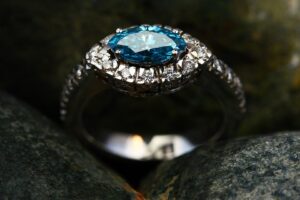
Lab-grown diamonds are revolutionizing the jewelry industry by providing a sustainable and ethical alternative to mined diamonds. These diamonds are created in controlled environments using advanced technology that replicates the natural diamond-growing process. Lab-grown diamonds are chemically, physically, and optically identical to their mined counterparts, but they have a significantly lower environmental impact. They eliminate the need for mining, reducing land disturbance, water consumption, and greenhouse gas emissions.
Recycled and Vintage Jewelry: A Timeless Choice
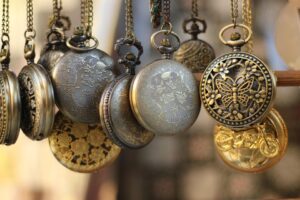
Recycled and vintage jewelry offers another avenue for sustainable luxury. By repurposing existing pieces or purchasing vintage items, consumers can enjoy unique and timeless designs while reducing demand for newly mined materials. Recycled jewelry involves melting down and reusing precious metals, reducing the need for additional mining. Vintage jewelry, on the other hand, carries historical significance and a sense of nostalgia, making it a cherished choice for those seeking one-of-a-kind pieces.
Certifications and Standards
Several certifications and standards have been established to guide consumers and brands in their pursuit of ethical jewelry. The Responsible Jewellery Council (RJC) is a leading organization that sets standards for responsible business practices in the jewelry supply chain. RJC certification ensures that a brand’s operations adhere to ethical, social, and environmental standards. Other notable certifications include Fairmined and Fairtrade Gold, which guarantee that gold is sourced from artisanal mines that meet strict ethical and environmental criteria.
Challenges and Opportunities
While the ethical jewelry movement is gaining momentum, it faces certain challenges. Ensuring complete transparency and traceability in complex supply chains can be difficult, requiring collaboration and commitment from all stakeholders. Additionally, the cost of implementing sustainable practices and obtaining certifications can be a barrier for some brands.
However, these challenges also present opportunities for innovation and collaboration. Brands that successfully integrate ethical practices into their operations can differentiate themselves in a competitive market, attracting a loyal customer base that values sustainability. Moreover, the growing demand for ethical jewelry is encouraging industry-wide change, prompting more brands to adopt responsible practices and contribute to a more sustainable future.
The Future of Ethical Jewelry
The future of ethical jewelry is bright, with continued advancements in technology and growing consumer awareness driving positive change. As more consumers prioritize sustainability and ethical practices, the demand for ethical jewelry is expected to rise. This trend is likely to inspire further innovation in materials, design, and production methods, leading to a more sustainable and inclusive jewelry industry.
Moreover, the ethical jewelry movement has the potential to influence broader changes in the luxury sector, encouraging other industries to adopt similar practices. By redefining luxury to include sustainability and social responsibility, ethical jewelry is setting a new standard for the industry, demonstrating that beauty and ethics can coexist harmoniously.
Conclusion
Ethical jewelry is redefining the concept of luxury, offering consumers the opportunity to indulge in beautiful, high-quality pieces without compromising their values. Through responsible sourcing, fair labor practices, environmental conservation, and innovative technologies, ethical jewelry brands are leading the way towards a more sustainable and socially responsible future. As the movement continues to gain traction, consumers and brands alike have the power to shape a jewelry industry that values both people and the planet, ultimately redefining luxury for generations to come.
#ChatGPT assisted in the creation of this article.