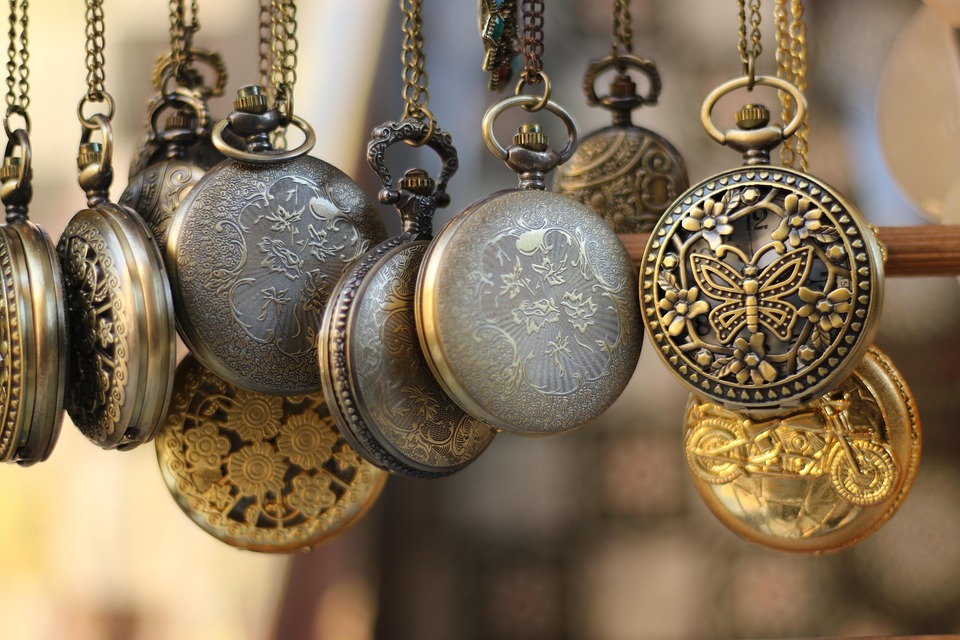
In a world increasingly dominated by digital technology and ephemeral trends, the luxury watch industry stands as a bastion of tradition and artistry. The allure of a finely crafted timepiece extends beyond its functionality; it is a testament to human ingenuity, precision, and the enduring pursuit of perfection. This article delves into the intricate world of watch craftsmanship, exploring the history, techniques, and passion that define the art of mastering time.
A Historical Perspective
The genesis of watchmaking can be traced back to the 15th century, a time when the quest to measure time more accurately led to the creation of portable timepieces. Early examples, such as the Nuremberg Egg, were rudimentary in design, yet they laid the groundwork for a tradition that would evolve over centuries. By the 18th century, horology—a term derived from the Greek words for “hour” and “study”—had become an esteemed discipline, with watchmakers in Switzerland and France leading the charge.
As technological advancements like the balance spring and the lever escapement emerged, watches became more precise and reliable. The 20th century saw the quartz revolution, which introduced a new era of accuracy. However, amidst these innovations, the appreciation for mechanical watches persisted. Today, luxury watches are revered not only for their functionality but also for their embodiment of history and heritage.
The Art of Craftsmanship
At the heart of every luxury watch lies an exquisite blend of art and science. The creation of a timepiece involves a symphony of skills, from the meticulous assembly of movements to the aesthetic design of dials and cases. Master watchmakers, often referred to as horologists, dedicate years to perfecting their craft, and their expertise is evident in every component of a watch.
The Movement
The movement, or caliber, is the heart of a watch, responsible for its accurate timekeeping. Mechanical movements, whether manual or automatic, are composed of hundreds of tiny parts, each painstakingly assembled by hand. The balance wheel, escapement, and mainspring are just a few of the critical elements that ensure precision. The complexity of these mechanisms is a testament to the watchmaker’s skill, requiring an intimate understanding of physics and engineering.
The Dial
The dial of a watch is its face, where functionality meets aesthetics. Designing a dial involves a balance between readability and elegance. It may feature intricate patterns such as guilloché, a decorative technique that involves engraving precise geometric patterns onto the surface. Master dial makers must also consider the placement of sub-dials, indices, and hands, ensuring that each element contributes to the watch’s overall harmony.
The Case
The watch case serves both as a protective shell for the movement and as a canvas for artistic expression. Crafted from materials ranging from stainless steel to precious metals like gold and platinum, the case must be both durable and visually appealing. Techniques such as polishing, brushing, and engraving are used to enhance its appearance. In some cases, artisans may inlay gemstones or apply enamel to create a unique masterpiece.
The Role of Innovation
While tradition is at the core of luxury watchmaking, innovation plays an equally vital role. The industry continually pushes the boundaries of what is possible, integrating new materials and technologies to enhance both performance and aesthetics.
Materials
The choice of materials can significantly impact a watch’s durability and appearance. In recent years, manufacturers have experimented with materials such as ceramic, carbon fiber, and titanium, each offering distinct advantages. For instance, ceramic is highly resistant to scratches and fading, while carbon fiber is lightweight and robust. These innovations ensure that watches not only stand the test of time but also remain at the forefront of style.
Technological Advances
Despite the dominance of mechanical movements, the integration of technology is redefining the watch industry. Hybrid watches, which combine traditional craftsmanship with modern technology, offer features such as GPS, heart rate monitoring, and connectivity with smartphones. These innovations cater to a new generation of watch enthusiasts who appreciate the fusion of classic elegance and contemporary functionality.
The Enduring Appeal
What is it about luxury watches that continues to captivate collectors and enthusiasts around the world? Beyond their utility, these timepieces are symbols of status, individuality, and artistry.
Status and Prestige
Owning a luxury watch is often seen as a mark of success and sophistication. Brands like Rolex, Patek Philippe, and Audemars Piguet have cultivated reputations that are synonymous with prestige. These watches are not merely accessories; they are investments that appreciate over time, often becoming cherished heirlooms passed down through generations.
A Personal Statement
Each luxury watch tells a story, reflecting the personality and taste of its owner. Whether it is a classic dress watch or a rugged sports model, a timepiece can convey a sense of identity and style. The ability to choose a watch that resonates personally makes it a deeply intimate accessory, one that transcends mere functionality.
The Future of Watch Craftsmanship
As we look to the future, the art of watch craftsmanship remains as vibrant as ever. While challenges such as the rise of smartwatches and shifting consumer preferences exist, the industry continues to thrive by embracing both tradition and innovation.
Preserving Tradition
Many luxury watch brands are committed to preserving the heritage of watchmaking by investing in the training of new generations of horologists. By fostering a culture of excellence and craftsmanship, these brands ensure that the skills and knowledge of master watchmakers are passed on, safeguarding the art of horology for years to come.
Embracing Change
At the same time, the industry recognizes the need to adapt to changing times. Collaborations with technology companies, limited-edition releases, and sustainable practices are just a few ways in which watchmakers are innovating to meet the demands of modern consumers. By striking a balance between heritage and progress, luxury watches continue to capture the imagination of enthusiasts worldwide.
Conclusion
In the realm of luxury watches, time is more than just a measurement; it is an art form. The meticulous craftsmanship, rich history, and innovative spirit that define watchmaking are a testament to humanity’s enduring quest to master time. As we continue to celebrate this tradition, we are reminded that a luxury watch is not merely an object—it is a masterpiece that encapsulates the essence of artistry and precision.
#ChatGPT assisted in the creation of this article.