Jewelry has always held a special place in human society, transcending its role as mere adornment to become a symbol of wealth, status, and personal milestones. Among the vast array of jewelry types, heirloom jewelry holds a unique and cherished spot. These pieces are not just artifacts of beauty; they are steeped in history, embodying the stories, traditions, and emotions of those who have worn them before. This article delves into the world of heirloom jewelry, exploring its significance, history, and the reasons it continues to be treasured across generations.
The Significance of Heirloom Jewelry
Heirloom jewelry is more than just an accessory; it carries with it the weight of familial legacy. Each piece is a tangible connection to the past, often representing significant life events such as weddings, births, and anniversaries. As these treasures are passed from one generation to the next, they serve as a bridge connecting the present to the bygone eras, allowing family members to maintain a sense of continuity and connection with their ancestors.
The emotional significance of heirloom jewelry often outweighs its material value. For many, wearing a piece that once belonged to a beloved relative evokes a sense of closeness and remembrance. It is a way to honor those who came before and to keep their memories alive in a tangible, beautiful form.
Historical Context of Heirloom Jewelry
The tradition of passing down jewelry has roots that stretch back to ancient civilizations. In many cultures, jewelry was crafted not only for its aesthetic appeal but also as a symbol of power and status. It was common for families to secure wealth by investing in jewelry, which could be easily transported and passed down as an inheritance.
During the Victorian era, the concept of heirloom jewelry became more pronounced. Jewelry pieces were often custom-made to commemorate special occasions, with intricate designs and personalized engravings. These pieces were cherished and meticulously preserved to be handed down through generations. The tradition continued into the Edwardian and Art Deco periods, each era contributing its distinct style and artistry to the lineage of heirloom treasures.
Types of Heirloom Jewelry
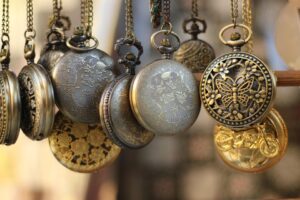
Heirloom jewelry can take many forms, each with its unique story and significance. Some of the most common types include:
- Rings: Engagement and wedding rings are perhaps the most common forms of heirloom jewelry. These rings often carry immense sentimental value, symbolizing the love and commitment of past generations.
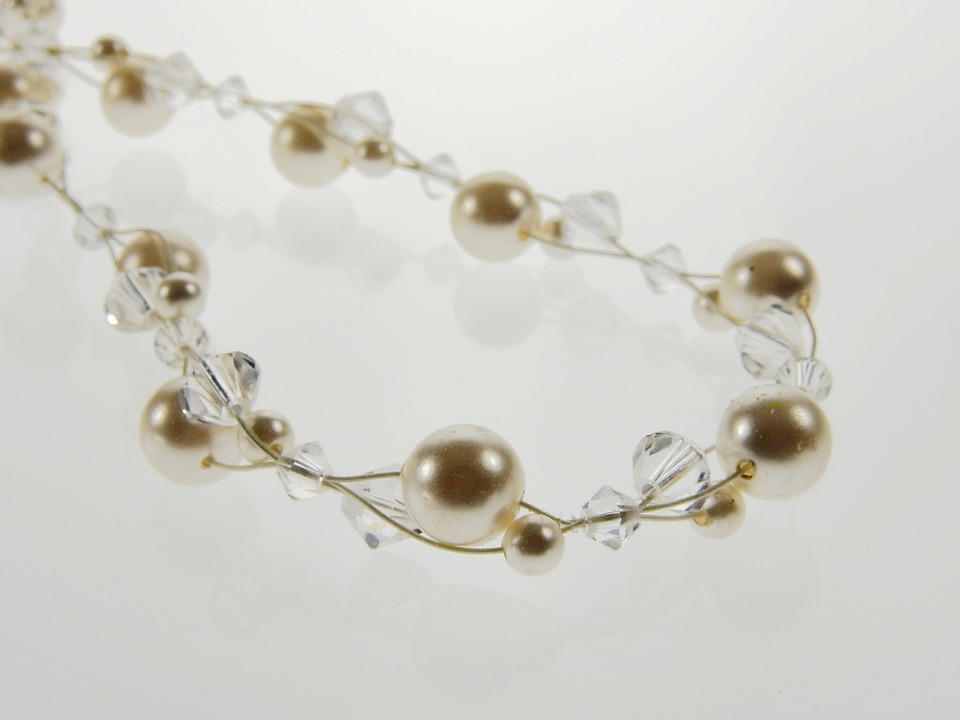
- Necklaces: From delicate pendants to elaborate chokers, necklaces can represent a family’s history and tradition. They are often adorned with precious gemstones or intricate engravings.
- Bracelets: These versatile pieces can range from simple bangles to ornate cuffs, each telling its own story through design and craftsmanship.
- Earrings: Passed from mothers to daughters, earrings often signify milestones such as coming of age or marriage.
- Brooches: Although less common today, brooches were once a staple of fashion and a popular choice for heirloom pieces due to their ability to showcase intricate designs.
The Craftsmanship Behind Heirloom Jewelry
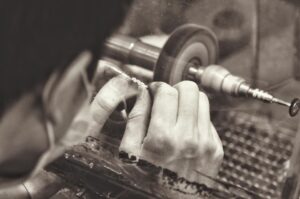
One of the defining characteristics of heirloom jewelry is the exceptional craftsmanship that goes into its creation. Unlike mass-produced pieces, heirloom jewelry is often handcrafted by skilled artisans, ensuring each piece is unique. The attention to detail, the quality of materials used, and the time invested in crafting these pieces contribute to their lasting beauty and durability.
Many heirloom pieces feature intricate designs, such as filigree work, milgrain detailing, and hand-engraved patterns. These techniques, often passed down through generations of jewelers, add a level of artistry and uniqueness to each piece, making them true works of art.
Caring for Heirloom Jewelry
Proper care is essential to preserve the beauty and integrity of heirloom jewelry. To ensure these treasures withstand the test of time, consider the following tips:
- Regular Cleaning: Use a soft cloth to gently clean your heirloom pieces, avoiding harsh chemicals that can damage delicate materials.
- Safe Storage: Store jewelry in a dry, cool place, preferably in a fabric-lined box or pouch to prevent scratches and tarnish.
- Professional Maintenance: Periodically have your heirloom jewelry inspected and maintained by a professional jeweler to address any signs of wear or damage.
- Careful Handling: Avoid wearing heirloom pieces during activities that could expose them to damage, such as sports or heavy manual labor.
Reviving and Restoring Heirloom Jewelry
Over time, even the most well-cared-for heirloom jewelry may require restoration. Restoring a piece can breathe new life into it, ensuring it can be enjoyed by future generations. Restoration can range from simple polishing and cleaning to more extensive repairs, such as resetting stones or repairing clasps.
When considering restoration, it is crucial to choose a jeweler with expertise in working with antique and heirloom pieces. A skilled professional can preserve the original integrity of the piece while making necessary repairs to enhance its beauty and functionality.
The Emotional Connection to Heirloom Jewelry
The emotional connection to heirloom jewelry is profound. Each piece carries the stories and memories of those who have worn it before, creating a legacy that continues to grow with each new owner. This emotional bond can be a source of comfort, strength, and pride, providing a tangible link to family history and identity.
For many, heirloom jewelry serves as a reminder of cherished relationships and shared experiences. It is a way to honor the past while looking toward the future, ensuring that family traditions and values are passed down through generations.
Modern Heirloom Jewelry
In today’s world, the concept of heirloom jewelry is evolving. While traditional pieces continue to be treasured, there is a growing trend toward creating modern heirlooms. These contemporary pieces are designed with the intention of becoming future heirlooms, crafted with the same care and quality as their predecessors.
Modern heirloom jewelry often incorporates innovative designs and materials, reflecting the personal style and values of the current generation. These pieces are intended to be meaningful and timeless, ensuring they can be passed down and cherished by future generations.
Conclusion
Heirloom jewelry holds a special place in the world of fine jewelry, offering a unique blend of beauty, history, and emotional significance. As tangible connections to the past, these timeless treasures embody the stories and traditions of those who have come before, creating a legacy that continues to inspire and unite families across generations. Whether through traditional pieces or modern creations, heirloom jewelry remains a cherished symbol of love, heritage, and continuity, ensuring that the memories and values of the past are preserved for the future.
#ChatGPT assisted in the creation of this article.