`
Caring for your jewelry properly can significantly extend its lifespan, preserving its beauty and functionality. Bracelets, in particular, require special attention due to their frequent exposure to various environmental elements. Whether your bracelet is a family heirloom or a trendy fashion piece, following essential care tips will ensure it remains in excellent condition for years to come. This article will provide comprehensive guidance on bracelet care, including cleaning, storage, and maintenance tips.
Understanding Your Bracelet Material
The first step in proper bracelet care is understanding the material from which it is made. Different materials require different care routines. Here are some common bracelet materials and their specific care requirements:
Gold and Platinum
Gold and platinum bracelets are known for their durability and resistance to tarnishing. However, they can still accumulate dirt and scratches over time. It’s essential to clean them regularly with a mild soap solution and a soft brush. Avoid harsh chemicals that can damage the metal’s surface. For platinum, since it tends to develop a patina over time, regular professional polishing can help maintain its shine.
Silver
Sterling silver bracelets are beautiful but prone to tarnishing. To prevent this, store your silver bracelets in a dry, cool place, preferably in anti-tarnish bags or cloth. Regular cleaning with a silver polishing cloth or a homemade solution of baking soda and water can help keep tarnish at bay.
Gemstone Bracelets
Gemstone bracelets require special attention due to the varying hardness and sensitivity of different stones. Avoid exposing gemstone bracelets to harsh chemicals, extreme temperatures, and prolonged sunlight, which can damage or fade the stones. It’s important to clean these bracelets with a soft cloth and mild soap.
Leather and Fabric
Leather and fabric bracelets are susceptible to stains and wear. Avoid getting them wet and keep them away from lotions and perfumes. Clean leather with a damp cloth and a leather conditioner, while fabric bracelets can be gently washed with mild soap and water.
Daily Bracelet Care
Daily care is crucial for maintaining the condition of your bracelet. Here are some tips to incorporate into your routine:
Remove Before Activities
To prevent damage, remove your bracelet before engaging in activities that involve water, chemicals, or rough surfaces. This includes swimming, cleaning, and exercising.
Apply Beauty Products First
Perfumes, lotions, and hairsprays can cause discoloration or damage to your bracelet. Apply these products before putting on your jewelry to minimize exposure.
Avoid Excessive Sunlight
Prolonged exposure to sunlight can fade or damage certain materials and gemstones. Store your bracelet in a shaded area when not wearing it.
Cleaning Your Bracelet
Regular cleaning is essential to maintain the shine and beauty of your bracelet. Here’s how to clean different types of bracelets effectively:
Gold and Platinum
1. Mix a few drops of mild dish soap with warm water.
2. Soak the bracelet for 15-20 minutes.
3. Gently scrub with a soft-bristled brush.
4. Rinse thoroughly with clean water.
5. Dry with a soft, lint-free cloth.
Silver
1. Mix baking soda with water to form a paste.
2. Apply the paste to the bracelet using a soft cloth.
3. Rub gently to remove tarnish.
4. Rinse with warm water and dry with a clean towel.
Gemstone
1. Use a soft, damp cloth to wipe the surface.
2. Avoid soaking as it can damage certain stones.
3. Dry immediately with a soft cloth.
Leather and Fabric
1. Wipe leather with a damp cloth and apply a leather conditioner.
2. Wash fabric bracelets gently with mild soap and water.
3. Allow them to air dry completely.
Storing Your Bracelet
Proper storage is crucial to prevent scratches, tarnish, and other damage. Here are some storage tips:
Separate Your Jewelry
Store bracelets separately in a jewelry box with compartments or in individual pouches to prevent them from scratching each other.
Use Anti-Tarnish Materials
For silver bracelets, use anti-tarnish strips or bags to slow down the tarnishing process.
Keep Away from Moisture
Store your bracelet in a dry, cool place. Avoid bathrooms or other humid environments that can accelerate tarnishing and degrade certain materials.
Professional Maintenance
While regular home care is essential, professional maintenance can further extend the life of your bracelet:
Regular Inspections
Take your bracelet to a professional jeweler for inspections at least once a year. They can check for loose stones, worn prongs, and other potential issues.
Professional Cleaning
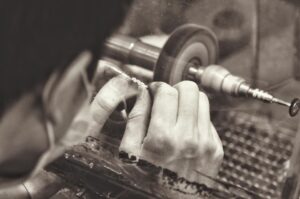
Consider professional cleaning for a deep clean and to maintain the overall appearance of your bracelet. Jewelers have specialized tools and solutions that are safe and effective.
Special Considerations
Some bracelets might have unique care requirements based on their design or embellishments:
Charm Bracelets
Regularly check the clasps and connectors to ensure they are secure. Clean each charm individually to avoid damage.
Elastic Bracelets
Avoid overstretching, which can weaken the elastic. Roll them over your wrist instead of pulling to maintain elasticity.
Antique or Heirloom Pieces
Handle with extra care, as these pieces can be more delicate. Consult a professional for specific care instructions based on the age and material.
Conclusion
Caring for your bracelet is an investment in its longevity and beauty. By understanding the specific needs of your bracelet’s material, incorporating daily care routines, cleaning regularly, storing properly, and seeking professional maintenance when necessary, you can ensure that your cherished pieces remain in excellent condition. With these essential tips, your bracelets will continue to be a source of joy and elegance for many years to come.
“`
#ChatGPT assisted in the creation of this article.