Jewelry is more than just an accessory; it often represents personal milestones, cherished memories, and sometimes, significant financial investment. Whether it’s a family heirloom, a wedding ring, or a statement piece, each item deserves careful handling and storage. Proper storage not only preserves the aesthetic appeal of your jewelry but also ensures its longevity. This article explores the best practices for storing jewelry safely at home, helping you keep your precious items in pristine condition for generations to come.
Organize Your Collection
The first step in ensuring the safety of your jewelry is organization. An organized collection is easier to manage and less likely to suffer from tangling, scratching, or other damage. Here are some tips to help you organize effectively:
Sort by Type
Begin by sorting your jewelry by type – necklaces, bracelets, earrings, rings, etc. This categorization will help you determine the kind of storage required for each group. For example, necklaces need to be hung or laid flat to prevent tangling, while rings can be stored in compartments.
Use Jewelry Organizers
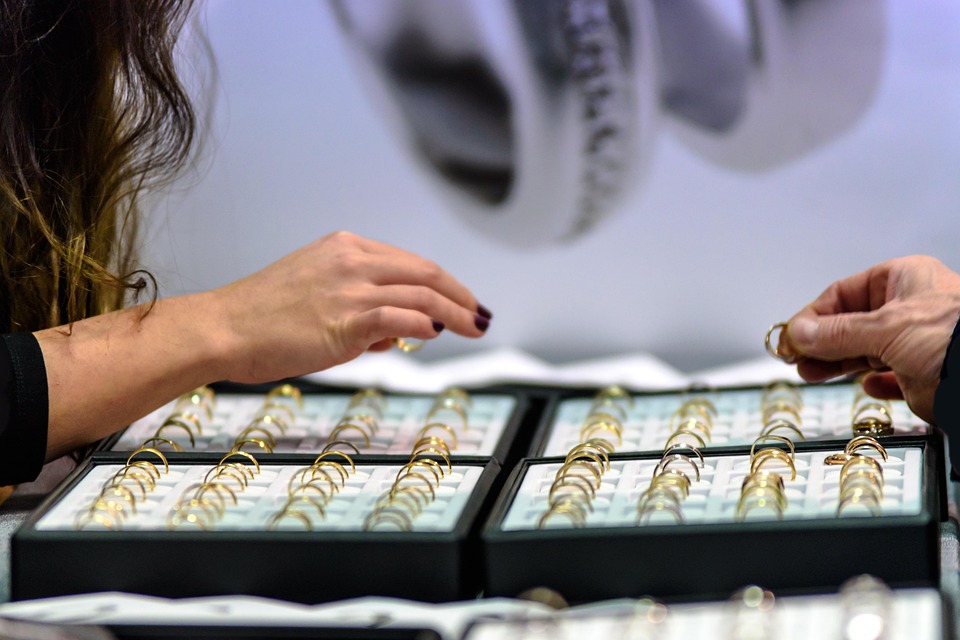
Invest in jewelry organizers that suit your collection. Options range from jewelry boxes with designated slots for each type of jewelry to wall-mounted organizers for easy access and visibility. Choose organizers that have a soft lining to protect your pieces from scratches.
Label and Inventory
Label each section of your organizer to avoid confusion and ensure that every piece has a designated spot. Consider creating an inventory of your collection, complete with photographs, to keep track of your items and assess their condition regularly.
Control Environmental Factors
Jewelry is susceptible to damage from various environmental factors such as humidity, temperature fluctuations, and exposure to light. Here’s how you can control these elements:
Manage Humidity
Excessive humidity can lead to tarnishing, especially for silver pieces. Store jewelry in a dry place, and consider using silica gel packs or activated charcoal to absorb excess moisture. Avoid storing jewelry in the bathroom due to the high humidity levels.
Avoid Direct Sunlight
Prolonged exposure to sunlight can cause some gemstones to fade and metals to discolor. Store your jewelry in a dark, cool place, away from direct sunlight. A drawer or a closet can be ideal spots.
Temperature Stability
Jewelry should be stored in an environment with stable temperatures. Avoid places that experience significant temperature fluctuations, such as attics or basements, as these can cause materials to expand and contract, leading to damage.
Prevent Physical Damage
Physical damage such as scratches, bends, or breaks can occur if jewelry is not stored properly. Here are ways to protect your pieces from physical harm:
Use Soft Materials
Wrap individual pieces in soft cloths or place them in pouches to prevent scratches and abrasion. Pearl and opal jewelry, which are particularly sensitive, should always be stored separately in soft fabric.
Separate Metals and Gemstones
Different metals and gemstones have varying hardness levels. To prevent harder materials from scratching softer ones, store them separately. This can be achieved by using dividers in a jewelry box or individual pouches.
Avoid Overcrowding
Overcrowding your jewelry storage can lead to tangling and damage. Ensure that each piece has enough space to rest without touching others, particularly for delicate chains and intricate designs.
Special Considerations for Specific Jewelry Types
Certain types of jewelry require additional care due to their unique characteristics. Here are some special considerations for various jewelry types:
Diamonds
While diamonds are known for their hardness, they can still chip if struck against a hard surface. Store diamond jewelry in a padded compartment and avoid placing them alongside other pieces to prevent any accidental damage.
Pearls
Pearls are organic and require specific care. They should never be stored in plastic bags, as the lack of air circulation can cause them to deteriorate. Instead, keep them in a cloth-lined box and avoid exposure to perfumes or cosmetics.
Silver
Silver tarnishes easily, so store silver pieces in anti-tarnish cloths or bags. Regular polishing with a soft cloth can help maintain their shine. Keep silver away from rubber bands and newspapers, which can cause discoloration.
Gold
Although gold is resistant to tarnish, it can still be scratched or bent. Store gold jewelry in a soft cloth pouch or a fabric-lined compartment to prevent scratches and minimize exposure to the elements.
Conclusion
Storing jewelry safely at home requires attention to detail and a commitment to maintaining the condition of your precious items. By organizing your collection, controlling environmental factors, preventing physical damage, and considering the specific needs of different jewelry types, you can ensure that your jewelry remains as beautiful and valuable as the day you acquired it. With these top tips, your treasured pieces will continue to shine brightly for years to come, preserving their sentimental and monetary value for future generations.
#ChatGPT assisted in the creation of this article.