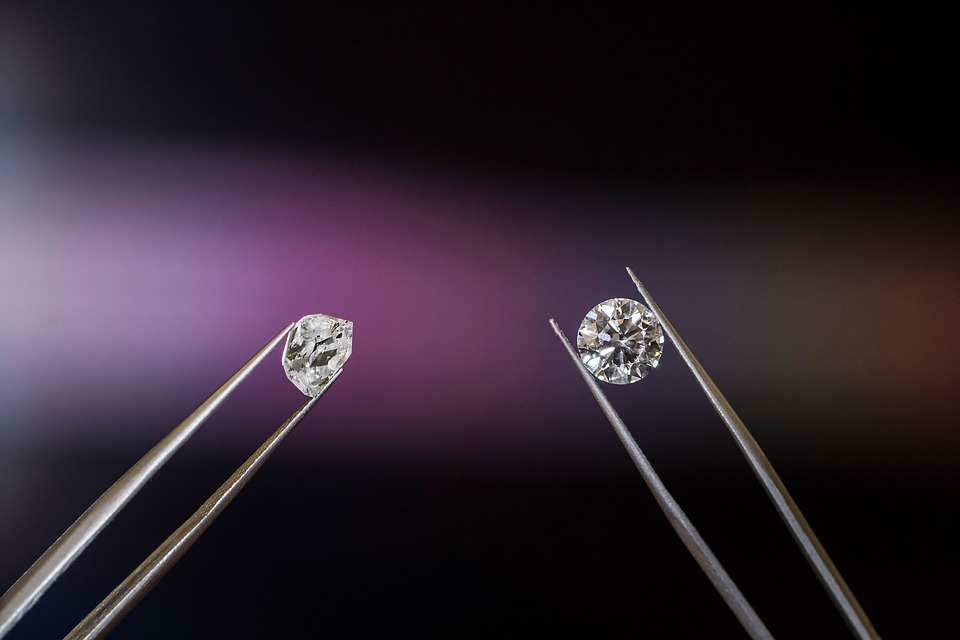
Choosing the perfect engagement ring is a special journey, and for many, it involves navigating through the intricate world of diamonds. Among the famous 4Cs of diamonds—cut, color, carat, and clarity—clarity often stands out as the most misunderstood. This guide will unravel the mysteries of diamond clarity, empowering brides-to-be with the knowledge needed to make an informed decision.
Understanding Diamond Clarity
Diamond clarity refers to the absence of inclusions and blemishes. Inclusions are internal imperfections, while blemishes are surface irregularities. Clarity is crucial because it impacts a diamond’s brilliance and overall beauty.
The Clarity Grading Scale
The Gemological Institute of America (GIA), the world’s foremost authority on diamonds, developed the diamond clarity grading scale. This scale ranges from Flawless to Included, providing a benchmark for evaluating a diamond’s clarity.
Flawless (FL) and Internally Flawless (IF)
Flawless diamonds are exceptionally rare and exhibit no inclusions or blemishes at 10x magnification. Internally Flawless diamonds may have minor surface blemishes but no internal inclusions. Both grades represent the pinnacle of clarity and are often sought after for their unmatched purity.
Very, Very Slightly Included (VVS1 and VVS2)
VVS diamonds contain minute inclusions that are difficult for even a skilled grader to see under 10x magnification. VVS1 diamonds have fewer and smaller inclusions compared to VVS2. These diamonds are nearly flawless and offer exceptional value for brides desiring near-perfection.
Very Slightly Included (VS1 and VS2)
VS diamonds have minor inclusions such as small crystals, clouds, or feathers. These inclusions are not visible to the naked eye and do not detract from the diamond’s beauty. VS clarity offers a balance between quality and affordability, making it a popular choice for engagement rings.
Slightly Included (SI1 and SI2)
SI diamonds have noticeable inclusions, which are more easily seen under magnification. However, many SI diamonds appear eye-clean, meaning their inclusions are not visible without magnification. These diamonds provide a budget-friendly option without sacrificing too much in terms of appearance.
Included (I1, I2, and I3)
Included diamonds have obvious inclusions that are visible to the naked eye. These inclusions can impact the diamond’s brilliance and durability. While more affordable, they may not meet the aesthetic expectations of many brides.
Choosing the Right Clarity for Your Engagement Ring
Selecting the right diamond clarity depends on personal preferences, budget, and priorities. Here are some factors to consider:
Budget Considerations
Clarity significantly affects a diamond’s price. Brides on a budget may opt for SI or VS clarity diamonds that appear eye-clean, offering a visually appealing diamond without the premium cost of higher clarity grades.
Visual Preferences
If having a visually flawless diamond is important, consider VVS or higher clarity grades. These diamonds are ideal for those who want the utmost in clarity and purity, regardless of cost.
Setting and Design
The design and setting of the ring can influence clarity choice. For instance, intricate settings or those that cover part of the diamond may allow for lower clarity grades since inclusions will be less noticeable.
Size of the Diamond
In larger diamonds, inclusions are more visible. Thus, it might be worth investing in a higher clarity grade if the diamond is large. Conversely, smaller diamonds can often mask inclusions, allowing for lower clarity grades.
Expert Tips for Brides
Here are some expert tips to help brides make the best decision when it comes to diamond clarity:
Work with a Reputable Jeweler
Select a jeweler who is transparent about grading and offers certifications from reputable labs like the GIA. This ensures you’re making a well-informed purchase.
See the Diamond in Person
Whenever possible, view the diamond in person. This allows you to see how the inclusions affect the diamond’s appearance and to determine whether they are noticeable to the naked eye.
Focus on Overall Beauty
Remember, clarity is just one aspect of a diamond’s beauty. Consider how clarity interacts with cut, color, and carat to create the overall sparkle and appeal of the diamond.
Conclusion
Understanding diamond clarity empowers brides to choose a diamond that aligns with their aesthetic desires and budget. Whether opting for a Flawless diamond or a more budget-friendly SI grade, the key is to find a diamond that resonates personally and symbolizes the unique love story it represents. With the insights from this guide, brides can confidently embark on their journey to find the ultimate engagement ring, dazzling in its clarity and reflecting the brilliance of their commitment.
#ChatGPT assisted in the creation of this article.