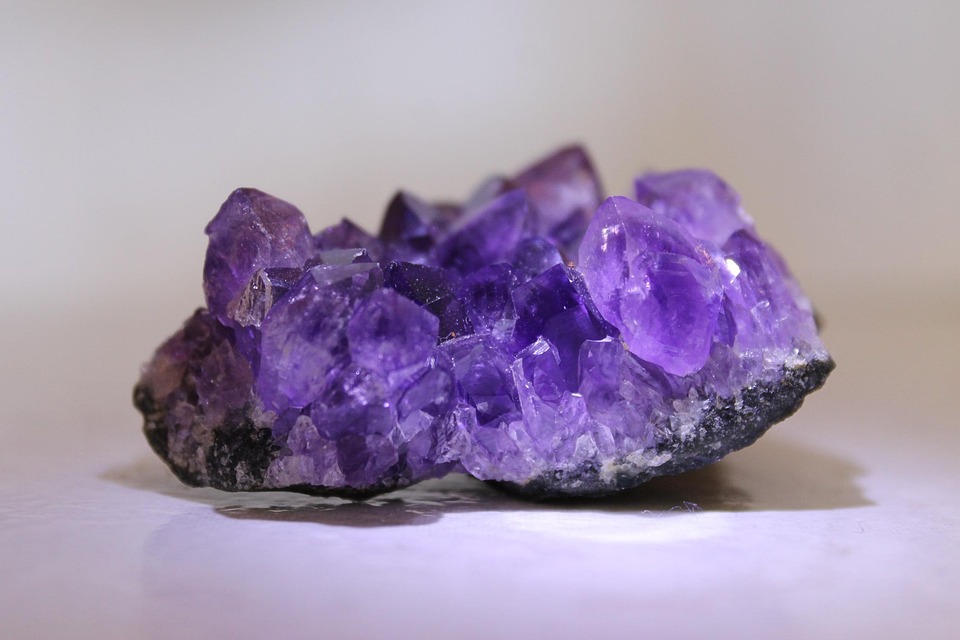
In the world of fine jewelry, precious stones hold a place of distinction. Their rarity, beauty, and symbolic meanings have captivated human imagination for centuries. Whether you’re a seasoned collector, a budding enthusiast, or someone curious about the allure of these gems, this guide will take you on a journey through the world of precious stones. We will explore their origins, characteristics, and the ways in which they are used in jewelry. By the end of this guide, you’ll have a deeper appreciation for the gems that have adorned royalty and inspired legends throughout history.
What Defines a Precious Stone?
Precious stones are defined by their rarity, beauty, and durability. Traditionally, the term “precious stones” referred to four specific gemstones: diamonds, rubies, sapphires, and emeralds. These four stones have historically been the most sought-after and valuable. However, the definition has evolved, and today, other gems such as opals, pearls, and alexandrites are also considered precious by many jewelers and enthusiasts.
Rarity
The rarity of a stone is one of the key factors that makes it precious. These stones are formed under specific geological conditions that are not common. For instance, diamonds are formed deep within the Earth’s mantle under high-pressure and high-temperature conditions, which makes them rare and valuable.
Beauty
The aesthetic appeal of a gemstone is another crucial factor. This includes its color, luster, and transparency. The unique way a gemstone interacts with light, often described as its “fire” or “brilliance,” can add to its allure and value. The finest stones exhibit vivid colors and are free from visible inclusions.
Durability
Durability is a measure of a stone’s ability to withstand wear and tear. This is important for gemstones used in jewelry, as they are subject to daily wear. The Mohs scale of mineral hardness is often used to assess a stone’s durability, with diamonds ranking as the hardest known natural material with a rating of 10.
The Big Four Precious Stones
Diamonds
Diamonds are perhaps the most renowned of all precious stones. Known for their unmatched hardness and brilliant light dispersion, diamonds are a symbol of eternal love and commitment. They are often used in engagement rings and other fine jewelry. The value of a diamond is determined by the four Cs: carat weight, cut, color, and clarity.
Rubies
Rubies are treasured for their vibrant red color, which is caused by the presence of chromium. Known as the “king of gems,” rubies have been revered for centuries and are associated with passion and power. The most sought-after rubies come from Myanmar, specifically the Mogok Valley, known for producing stones with a deep “pigeon blood” red hue.
Sapphires
Sapphires are best known for their stunning blue color, but they actually come in a variety of colors including pink, yellow, and green. Blue sapphires have been prized by royalty and clergy for centuries. The most valuable sapphires are a deep, vivid blue and originate from Kashmir, Sri Lanka, and Madagascar.
Emeralds
Emeralds are famous for their rich green color, attributed to trace amounts of chromium and vanadium. They are highly valued for their beauty and rarity. Colombian emeralds are considered some of the finest in the world. However, emeralds are more fragile than other precious stones due to inclusions that are common, known as “jardin” (French for garden), which can affect their durability.
Other Notable Precious Stones
Opals
Opals are unique among precious stones due to their play-of-color, a phenomenon where flashes of rainbow colors appear within the stone. This is caused by the diffraction of light through tiny silica spheres within the stone. Australia is the most well-known source of opals, specifically the black opals from Lightning Ridge.
Pearls
Pearls are organic gems formed within mollusks, typically oysters. They are valued for their luster and subtle beauty. Unlike other gemstones, pearls do not require cutting or polishing to reveal their beauty. Cultured pearls, which are farmed, have made pearls more accessible, but natural pearls remain extremely rare and valuable.
Alexandrite
Alexandrite is famous for its remarkable color-changing ability, appearing green in daylight and red under incandescent light. This rare phenomenon is due to the stone’s unique crystal structure. Alexandrite was first discovered in Russia’s Ural Mountains in the 1830s and is named after Czar Alexander II.
Choosing Precious Stones for Jewelry
Personal Preferences
When selecting precious stones for jewelry, personal preference plays a significant role. Consider the colors and meanings that resonate with you. Each stone carries its own symbolism; for instance, emeralds are associated with renewal and growth, while sapphires symbolize wisdom and nobility.
Occasion and Style
The occasion and style of the jewelry also influence the choice of precious stones. For everyday wear, durability might be a priority, while for special occasions, the unique beauty of a particular stone may take precedence. Additionally, consider the style of the jewelry piece, as some stones complement certain settings and designs better than others.
Budget
Budget is another important consideration when choosing precious stones. Prices can vary significantly based on the type, quality, and size of the stone. It’s essential to balance your desire for a particular stone with practical financial considerations. Understanding the factors that influence a stone’s value, such as the four Cs for diamonds, can help make informed decisions.
Caring for Precious Stones
Proper care is essential to maintain the beauty and longevity of precious stones. Different stones have different care requirements. For example, diamonds are incredibly durable but can still get scratched by other diamonds, so they should be stored separately. Emeralds, being more fragile, require extra care and should not be exposed to harsh chemicals or extreme temperatures.
Cleaning
Regular cleaning is necessary to keep precious stones looking their best. A gentle solution of warm water and mild soap can be used for most stones. It’s important to avoid ultrasonic cleaners for delicate stones like opals and emeralds, as they can cause damage.
Storage
Proper storage is crucial to prevent scratches and damage. Keep individual pieces of jewelry separated in a soft-lined box or pouch. For pearls, which can be sensitive to drying out, storing them in a slightly humid environment can help maintain their luster.
Conclusion
Precious stones are more than just beautiful adornments; they are symbols of culture, history, and personal meaning. Understanding the characteristics and origins of these stones enhances their allure and enriches the experience of owning and wearing fine jewelry. Whether you are drawn to the timeless elegance of a diamond or the vibrant hues of a ruby, each precious stone offers a unique and captivating story. As you explore the world of fine jewelry, let this guide be a resource and inspiration in your journey.
#ChatGPT assisted in the creation of this article.